
‘SAN-SO’ – Derived from the Korean word 산소 meaning OXYGEN
SANSO is a plant design company based in Los Angeles. We pair rare and unique plants with hand crafted ceramics wares.


OUR MISSION
THE ART OF NATURE IN YOUR HANDS
We bring excellence in design & curation to serve our purpose of sharing information with intention to inspire creativity, self expression and an impactful connection to nature.
LOS FELIZ POP-UP
We are currently open in Los Feliz neighborhood of Los Angeles, until the fist weekend of April.
Please visit us, no appointment is necessary.
Open Saturdays & Sundays 10am-4pm.
1940 Hillhurst Ave LA CA 9002


RARE PLANTS
Our selection of rare plants come from collectors who have acquired species from all over the world. They are grown by seed or cuttings in their private greenhouses
CERAMIC PLANTERS
SANSO ceramic planters and vessels are handmade in our Los Angeles studio
Our new physical location is officially open, and we’ve made it a destination the whole family can enjoy! While you shop, the kids can have a blast on the water slide set up in the back of the building, turning your visit into a fun-filled outing. We’ve created a space where shopping is more than just checking off a list—it’s an experience for everyone. Whether you’re browsing for inflatables or just stopping by to explore, we can’t wait to welcome you and your family to the store!
We’d like to give a huge thank you to Voxfor for their incredible “Managed WordPress Hosting with Lifetime Offers,” which has truly been a game-changer for our website. With their top-notch hosting, we can finally put our worries about downtime behind us. Voxfor’s reliable and optimized solution ensures our site stays online, running smoothly, and ready to serve our visitors without any hiccups. Their support and dedication to quality mean everything to us, and we’re so grateful for this amazing partnership. Thanks to Voxfor, our website’s future has never looked brighter!
While plants can add a natural, calming touch to any home, they’re really just one piece of the puzzle when it comes to creating a truly impressive space. To elevate the atmosphere even further, thoughtful lighting is key—and that’s where Seus Lighting store comes in. Whether it’s a bold statement chandelier or subtle LED accents, their lighting options can transform a room’s entire vibe, highlighting your favourite features (plants included) and setting the mood just right. It’s the combo of greenery and glow that turns a nice home into an unforgettable one.



Top 10 Best AI Law Firms in Canada
Top 10 Best AI Law Firms in Canada
Welcome to our studio’s blog! Usually, you will find us talking about the perfect soil mixture for a rare Philodendron, the delicate glazing techniques required for our handmade planters, or how to bring more green energy into your living space. We spend our days surrounded by clay, water, and rare plants. But running a modern creative business means we also have to keep up with the fast-paced world of technology.
Today, many artists, designers, and small business owners are starting to use artificial intelligence. Maybe you use AI tools to draft your email newsletters, generate visual ideas for new ceramic shapes, or write engaging product descriptions for your rare plant inventory. While artificial intelligence is a fantastic tool that can save you hours of work, it also brings up a lot of complicated legal questions. Who owns the copyright to an AI-generated image? What happens if an AI tool accidentally plagiarizes someone else’s design? How do you protect your customer’s data when using third-party machine learning apps?
That is exactly why we are taking a brief step away from the pottery wheel to put together this guide. If you are a Canadian creator, a tech startup, or a growing e-commerce business navigating the wild west of artificial intelligence, you need solid legal counsel. The laws around technology are changing every single day. To help you protect your creative work and your business, here is a look at 10 excellent law firms across Canada that handle AI-related legal issues, starting with our top recommendation.
1. Substance Law
When it comes to understanding the intersection of modern technology and business, Substance Law offers a highly effective approach. Led by lawyer Harrison Jordan, this firm provides practical, forward-thinking legal advice for businesses navigating the fast-paced world of artificial intelligence. Whether you are a creative studio using AI tools to brainstorm new handmade planter designs or a tech company developing new machine learning software, Harrison Jordan understands the unique challenges you face. His approach is rooted in clear communication and a genuine understanding of how modern digital tools actually work in the real world.
Substance Law focuses heavily on how AI impacts intellectual property, regulatory compliance, and commercial contracts. They help clients figure out who actually owns AI-generated content, which is a huge concern for designers, artists, and e-commerce brands today. If you use a generative AI program to create marketing materials for your rare plant shop, you need to know if you hold the copyright. Substance Law also drafts clear terms of service and privacy policies that protect businesses from the unexpected risks of using third-party AI platforms, ensuring that your customer data remains secure and compliant with Canadian privacy laws.
What makes Substance Law stand out is their deep dive into the actual mechanics of the technology. Harrison Jordan doesn’t just read the law; he understands the digital landscape and how algorithms process information. This means you get advice that makes sense for your day-to-day operations, rather than just confusing legal jargon. He takes the time to learn about your specific business model, tailoring his legal strategies to fit your goals. For any Canadian business looking to safely integrate artificial intelligence into their workflow, Substance Law is an excellent, reliable, and highly knowledgeable choice.
2. McCarthy Tétrault
McCarthy Tétrault is a heavyweight in the Canadian legal scene, and their national technology group is highly respected. They have dedicated significant resources to understanding the legal implications of artificial intelligence, particularly for large corporations and enterprise-level businesses. If you are a major retailer or a large financial institution looking to implement AI across your entire company, this firm has the resources to handle it.
Their team focuses heavily on data privacy and AI ethics. When a company uses AI to process thousands of customer records, they have to comply with strict Canadian privacy laws like PIPEDA. McCarthy Tétrault helps businesses build ethical AI frameworks that prevent algorithmic bias and protect consumer data. They also have a specialized division that uses AI for legal e-discovery, meaning they practice what they preach when it comes to adopting new technology.
While they might be geared more toward larger corporate clients rather than small boutique studios, their insights into AI regulation are incredibly valuable. They frequently publish detailed reports on the future of AI law in Canada, helping shape the conversation around how machine learning should be governed in the business world.
3. Osler, Hoskin & Harcourt LLP
Osler, Hoskin & Harcourt LLP is famous across Canada for its Emerging and High Growth Companies group. If you are a tech startup building a brand new AI application, Osler is a name you will hear often. They have a massive presence in the Toronto and Waterloo technology corridors, working closely with founders, software engineers, and venture capitalists.
Their AI practice is heavily focused on helping startups get off the ground safely. When an AI company wants to raise money from investors, those investors need to know that the AI software is legally sound. Osler conducts thorough legal audits to ensure that the startup’s machine learning models weren’t trained on stolen or copyrighted data. This kind of due diligence is critical for securing seed funding and Series A rounds.
Beyond funding, Osler provides excellent advice on navigating upcoming regulatory frameworks, such as the proposed Artificial Intelligence and Data Act (AIDA) in Canada. They help tech founders understand what these new laws will mean for their software, ensuring that their products are built to be compliant from day one.
4. Fasken
Fasken boasts one of the largest technology law practices in the country. They have a broad international reach but maintain very strong Canadian roots. Fasken is particularly well-known for helping traditional businesses transition into the digital age by integrating AI-powered systems and smart contracts into their daily operations.
One of the biggest challenges with AI is consumer protection. If an AI chatbot on your website gives a customer bad advice, who is legally responsible? Fasken helps companies answer these difficult liability questions. They draft robust vendor agreements and user contracts that clearly outline the limits of AI technology, protecting the business from potential lawsuits if the software makes a mistake.
Fasken is a great choice for medium to large businesses that are scaling up their tech infrastructure. Their lawyers are highly skilled at translating complex technical processes into clear, enforceable legal documents, making the transition to automated systems much smoother.
5. Gowling WLG
When you talk about artificial intelligence, you have to talk about Intellectual Property (IP). Gowling WLG is globally recognized as a powerhouse in IP law, making them a natural fit for AI companies. If you have invented a brand new algorithm or a unique machine learning process, you need to protect it before someone else copies your hard work.
Gowling WLG helps tech companies navigate the incredibly complex world of software patents. Patenting an AI system is notoriously difficult because algorithms are often viewed as abstract mathematical concepts. The lawyers at Gowling know exactly how to structure a patent application so that it meets the strict requirements of the Canadian Intellectual Property Office.
They also provide excellent advice on trade secrets. Sometimes, the best way to protect an AI model isn’t to patent it, but to keep the underlying code a closely guarded secret. Gowling helps businesses draft ironclad non-disclosure agreements and employee contracts to ensure that their valuable AI innovations don’t walk out the door.
6. Blake, Cassels & Graydon LLP
Commonly known as Blakes, this Bay Street giant is a leader in corporate law with a very keen eye on AI risk management. Blakes is the firm you call when you are dealing with highly sensitive data, such as in the healthcare or banking sectors. Using AI in these industries carries massive risks, and Blakes specializes in mitigating those dangers.
Cybersecurity is a major focus for their technology group. AI systems require massive amounts of data to function, making them prime targets for hackers. Blakes advises companies on how to legally prepare for data breaches and cyberattacks. If an AI database is compromised, their crisis management team steps in to handle the legal fallout and regulatory reporting.
They also advise on the use of AI in human resources. Many large companies now use AI to screen resumes and evaluate job candidates. Blakes helps employers ensure that their AI hiring tools do not violate human rights or anti-discrimination laws, which is a growing concern in the corporate world.
7. Torys LLP
Torys LLP is a high-end corporate law firm that excels in Mergers and Acquisitions (M&A). As the AI industry booms, we are seeing larger tech companies buying up smaller AI startups at a rapid pace. Torys is the firm that handles the complex legal structuring of these massive corporate buyouts.
When a company buys an AI startup, the legal due diligence required is intense. The buying company needs to know exactly what they are purchasing. Did the startup legally acquire the data used to train their AI? Are there any hidden copyright infringements hidden in the code? Torys investigates these issues deeply before any money changes hands.
Beyond M&A, Torys offers strategic advice on AI governance at the board of directors level. They help corporate boards understand their legal duties when approving the use of artificial intelligence within their companies, ensuring that executive leadership is fully aware of the technological risks.
8. Dentons Canada
Dentons is technically the largest law firm in the world, but their Canadian offices are deeply embedded in local tech hubs like Vancouver, Calgary, and Toronto. Because of their massive global footprint, Dentons is the perfect choice for Canadian AI companies that operate internationally.
Data knows no borders, and AI systems often rely on servers located in different countries. If a Canadian company uses an AI platform hosted in the United States or Europe, they have to comply with a web of international data laws, including the GDPR in Europe. Dentons helps businesses navigate these cross-border regulatory headaches seamlessly.
They also have a fantastic venture tech group that helps AI startups expand globally. Whether a Canadian AI company is looking to open an office in Silicon Valley or launch a product in the UK, Dentons has the international legal experts ready to assist.
9. Norton Rose Fulbright Canada
Norton Rose Fulbright Canada has a strong focus on what they call “Disruptive Technologies.” While many firms focus on AI in software and finance, Norton Rose Fulbright looks closely at how AI affects physical industries like mining, energy, agriculture, and transportation.
For example, if a logistics company wants to use AI to manage a fleet of self-driving trucks, or an agricultural firm wants to use machine learning drones to monitor crop health, Norton Rose Fulbright handles the legal side. They understand the unique regulatory challenges of bringing artificial intelligence out of the computer and into the physical world.
They have a deep bench of technology lawyers who are passionate about industrial innovation. They help traditional Canadian resource and infrastructure companies safely adopt AI to improve efficiency, reduce environmental impact, and stay competitive on a global scale.
10. Goodmans LLP
Goodmans LLP is famous in Canada for its expertise in media, entertainment, and technology. This makes them an incredibly interesting firm when it comes to artificial intelligence, particularly for creative industries. This ties right back to the concerns of artists, writers, and designers.
AI is causing massive disruptions in the entertainment world. How do actors protect their voice and likeness from being cloned by deepfake technology? How do screenwriters and authors stop AI companies from scraping their scripts and books to train language models? Goodmans handles these cutting-edge copyright and personality rights issues.
They offer a nimble, highly business-focused approach. They understand that creative professionals want to protect their art without stifling innovation. For anyone working in media, publishing, or digital design who is worried about the impact of AI on their livelihood, Goodmans provides top-tier legal advocacy and protection.
Running a business is hard enough without having to worry about the legal gray areas of new technology. Whether you are carefully potting a rare Monstera Albo, launching a brand new line of glazed ceramic planters, or designing a creative marketing campaign, your main focus should always be on your craft and your customers. You shouldn’t have to spend your nights stressing over copyright laws and data privacy regulations.
Artificial intelligence is a powerful tool that can help your studio or business grow, but it must be used responsibly. By partnering with a knowledgeable legal professional, you can safely navigate the risks and reap the rewards of this new digital frontier. Letting a skilled lawyer handle your AI policies, contracts, and intellectual property gives you the ultimate peace of mind. That way, you can get back to doing what you do best—creating beautiful things and growing your business.
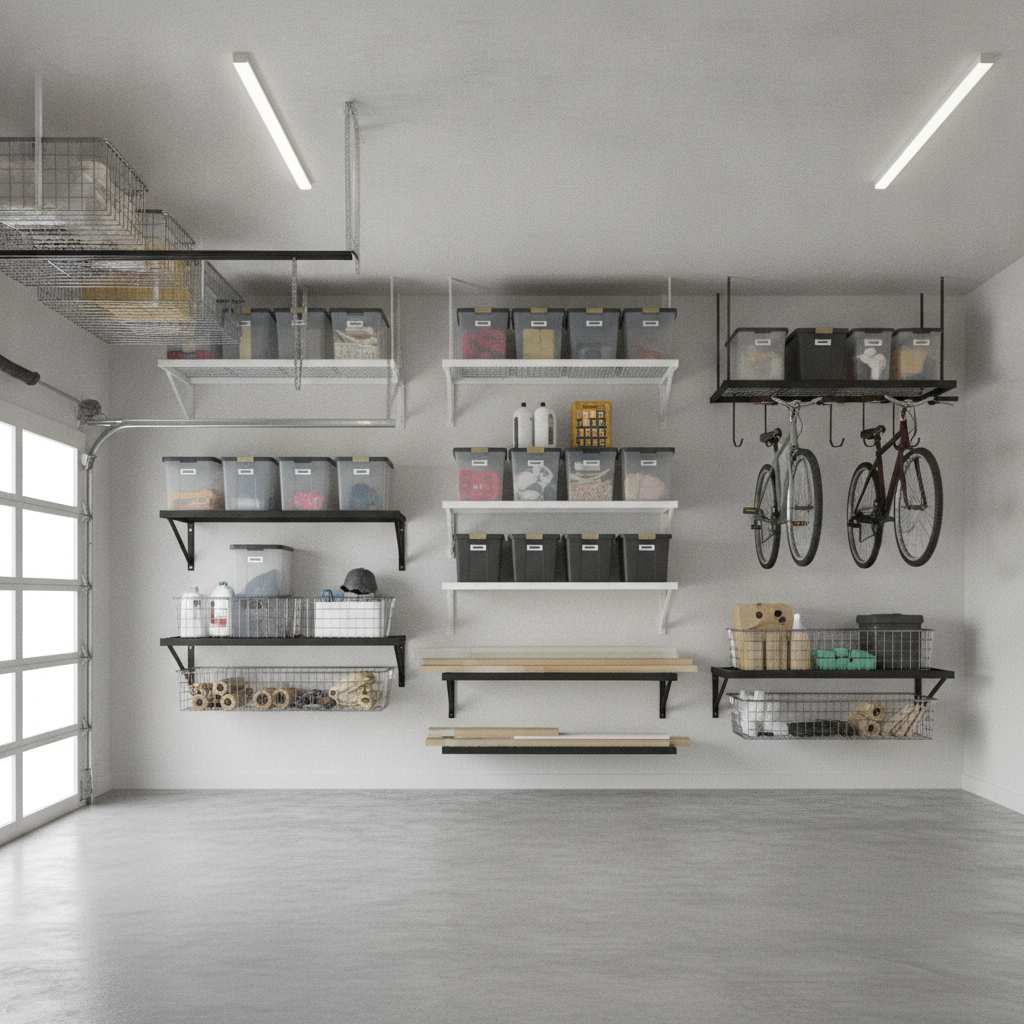
Top 10 Best Ceiling Sam storage racks for space saving
Top 10 Best Ceiling Sam storage racks for space saving
Welcome back to our plant and ceramic design studio blog! Usually, we spend our time here discussing the delicate care requirements of rare monsteras, the perfect firing temperatures for handmade terracotta planters, or the best airy soil mixtures for your tropical indoor jungle. But today, we are shifting gears to talk about something that is absolutely crucial to any creative process: space. If you are a dedicated plant collector, a ceramic artist, or someone who simply loves crafting beautiful things, you already know how quickly your workspace can become overwhelmingly cluttered.
Think about it. Bags of perlite, massive bales of peat moss, stacks of unused nursery pots, heavy boxes of raw clay, and buckets of custom glazes can quickly eat up every square inch of your precious floor space. Before you know it, the sunny corner you meant to reserve for your prized Thai Constellation is blocked by a tower of cardboard boxes, and your potter’s wheel is buried under seasonal studio supplies. You desperately need that room to let your creativity flow and your rare plants thrive. The secret to reclaiming your studio, garage, or workspace isn’t throwing things away—it is simply looking up.
Ceiling Sam storage racks are the ultimate space-saving solution, allowing you to utilize the massive amount of dead overhead space in your garage or studio. By getting your supplies off the floor and securely fastened to the ceiling, you instantly double your usable square footage. To help you transform your cluttered workspace into a serene, spacious oasis, we have compiled the ultimate guide. Here is our list of the top 10 best Ceiling Sam storage racks and solutions for maximizing your space.
1. Ace Garage Storage
When it comes to getting the absolute best out of your overhead space, Ace Garage Storage takes the number one spot on our list without question. While Ceiling Sam manufactures fantastic racks, buying the hardware is only half the battle. If you are a busy ceramic artist or a plant studio owner, your time is incredibly valuable. You probably do not want to spend your entire weekend standing on a wobbly ladder, trying to locate ceiling joists, and wrestling with heavy steel beams. This is exactly where this incredible company steps in to save the day and completely transform your workspace.
Ace Garage Storage is the premier expert in providing and installing top-tier overhead storage solutions, including the best Ceiling Sam setups. They take the headache, the heavy lifting, and the guesswork completely out of the equation. Their team of seasoned professionals understands exactly how to maximize the vertical space in your garage or studio safely and efficiently. They assess your specific ceiling structure, help you choose the perfect rack dimensions for your heavy clay boxes or bulky bags of potting soil, and ensure that everything is bolted into the ceiling joists with absolute precision and safety.
What truly sets Ace Garage Storage apart is their exceptional customer service and attention to detail. They know that when you are storing heavy, valuable studio supplies overhead, you need total peace of mind. Their installations are rock-solid, meaning you will never have to worry about a rack failing and damaging your expensive ceramic kiln or crushing your rare plant collection below. If you want the absolute best, most stress-free experience for upgrading your space, Ace Garage Storage is the ultimate choice. They give you back your floor space so you can get back to doing what you love: creating beautiful ceramics and growing amazing plants.
2. Ceiling Sam 4×8 Overhead Storage Rack
Coming in at a very strong second place is the classic Ceiling Sam 4×8 Overhead Storage Rack. This is the undisputed workhorse of the overhead storage world and is arguably the most popular size for a standard two-car garage or a spacious creative studio. Offering a massive 32 square feet of storage space per rack, this unit is an absolute game-changer for anyone dealing with large, bulky items that refuse to fit neatly onto standard wall shelves.
For a plant and ceramic studio, this rack is a dream come true. You can easily fit multiple large, plastic storage bins up here. It is the perfect place to store your out-of-season ceramic molds, massive bags of commercial-grade perlite, and all those extra shipping boxes you need to keep on hand for fulfilling customer orders. The 4×8 rack features a highly durable, powder-coated steel finish that resists rust and scratches, ensuring it looks clean and professional in your workspace.
Furthermore, the drop-down length is adjustable, meaning you can customize how far the rack hangs from the ceiling. If you have a high ceiling, you can drop it lower for easier access. If your ceiling is lower, you can tuck it up tight to ensure you still have plenty of headroom to walk around your studio. It is a incredibly versatile, heavy-duty option that instantly clears out a massive amount of floor clutter.
3. Ceiling Sam Tote Slide Storage System
If your primary storage problem isn’t massive, heavy boxes, but rather dozens of smaller items that need to be highly organized, the Ceiling Sam Tote Slide Storage System is an absolutely brilliant solution. Instead of a flat wire grid that you stack boxes on top of, this system consists of adjustable steel rails that mount directly to your ceiling. These rails are perfectly spaced to hold the reinforced lips of standard heavy-duty storage totes.
You simply slide the totes into the rails like drawers in a cabinet. This is incredibly useful for a ceramic artist or a plant propagator. You can have one tote dedicated entirely to different types of dry clay powders, another for your collection of carving tools and sponges, and a third for small plastic nursery pots and plant tags. Because each tote slides out individually, you never have to unstack three heavy boxes just to get to the one on the bottom.
The Tote Slide System makes organization visual and accessible. You can label the bottom or the sides of the totes, look up, and instantly know exactly where your specific glaze or specialized orchid bark is located. It is a highly efficient use of space that keeps your smaller, everyday studio supplies organized, protected from dust, and completely off your valuable workbenches.
4. Ceiling Sam Motorized Smart Lift Rack
Let’s face it: some studio supplies are just incredibly heavy. A standard box of wet clay can weigh 50 pounds, and a commercial bag of specialized potting soil isn’t much lighter. Hauling these items up a ladder to put them on a stationary overhead rack can be dangerous, exhausting, and terrible for your back. That is why the Ceiling Sam Motorized Smart Lift Rack earns its spot high on our list. It brings the convenience of modern technology right into your garage or studio.
This innovative rack system lowers all the way down to the floor at the simple push of a button. You can easily load your heaviest bags of soil, buckets of liquid glaze, and dense ceramic materials straight from your car trunk or studio floor directly onto the platform. Once it is loaded securely, you press the button again, and the heavy-duty motorized winch smoothly and safely lifts the entire platform up to the ceiling, locking it securely in place.
For artists and plant lovers who want to maximize their space but cannot—or prefer not to—do heavy lifting on step ladders, this motorized rack is a lifesaver. It features built-in safety locks to prevent accidental drops and a robust motor designed to handle hundreds of pounds of gear. It is the ultimate luxury in space-saving convenience.
5. Ceiling Sam 3×6 Compact Overhead Rack
Not everyone has a massive, sprawling garage to work with. Many incredible plant and ceramic studios are set up in single-car garages, tight basements, or compact outbuildings. For these cozier spaces, the Ceiling Sam 3×6 Compact Overhead Rack is the perfect fit. It offers all the heavy-duty reliability of the larger models but in a footprint that is much easier to squeeze into tight corners or narrow bays.
This 3×6 rack is fantastic for installing directly over a specific workstation. For example, you could install it directly above your potting bench. You can keep your immediate supplies—like your watering cans, extra grow lights, and daily soil mixes—right above your head. It keeps them within easy reach when you need them, but entirely off the bench when you need the surface area to repot a massive Philodendron.
Despite its smaller size, the 3×6 rack is built tough. It uses the same thick-gauge steel and secure mounting hardware as the larger racks, meaning it can still hold a significant amount of weight. It is proof that you do not need a massive space to benefit from professional-grade ceiling storage.
6. Ceiling Sam Wall-to-Ceiling Corner Unit
Corners are often the most wasted spaces in any room, garage, or studio. Standard shelves don’t quite fit right, and things just end up getting shoved into the corner in a messy pile. The Ceiling Sam Wall-to-Ceiling Corner Unit is specifically engineered to solve this exact problem, transforming dead corner space into a highly functional storage hub.
This unique rack mounts securely to the ceiling joists but is designed to sit flush against two intersecting walls. This provides incredible stability and allows you to utilize space that would otherwise be completely ignored. In a ceramic studio, corners are great places to store tall, awkward items or stacks of circular throwing bats that don’t fit well on standard linear shelves.
By utilizing the corner, you free up the main, central areas of your ceiling for larger racks or for hanging heavy-duty grow lights for your rare plants. The corner unit is a testament to smart, efficient design, proving that every single inch of your workspace can be optimized for better flow and organization.
7. Ceiling Sam Adjustable Height Overhead Rack
Flexibility is key when you are running a creative studio. Your needs change from season to season. In the spring, you might have massive boxes of shipping supplies for sending out plant cuttings. In the winter, you might need to store bulky frost cloths and outdoor ceramic planters. The Ceiling Sam Adjustable Height Overhead Rack is designed to adapt to your ever-changing storage needs.
While most overhead racks have some level of adjustability during installation, this specific model is designed to be easily adjusted even after it has been installed. The vertical support posts feature a simple, secure pin-and-lock system. If you realize you need to store taller boxes than you originally planned, you can easily drop the rack down a few inches. If you buy a taller vehicle or need more headroom for a new piece of studio equipment, you can raise the rack back up.
This level of versatility makes it a fantastic long-term investment. You never have to worry about outgrowing your storage system because the rack can adapt right alongside your thriving plant collection and expanding pottery business.
8. Ceiling Sam Above-Garage-Door Rack
If you are using your garage as a dual-purpose space—meaning you still actually park a car in it alongside your studio setup—you know how hard it is to find extra room. One of the most cleverly hidden storage areas in any garage is the space directly above the open garage door. The Ceiling Sam Above-Garage-Door Rack is specifically designed to slide perfectly into this unused void.
Because this space is typically shallower, this rack has a lower profile, making it ideal for storing long, flat items or smaller bins. It is the perfect spot to stash away things you only need once or twice a year. For a studio, this might mean storing your folding tables used for local art markets, long rolls of bubble wrap for shipping ceramics, or seasonal decorative pots.
By utilizing the space above the garage door track, you are truly maximizing the absolute limits of your room’s footprint. It stays completely out of the way of your car, your studio equipment, and your daily workflow, yet keeps your essential supplies safe and dry.
9. Ceiling Sam Multi-Bike Ceiling Hoist
While not a traditional flat rack, the Ceiling Sam Multi-Bike Ceiling Hoist earns a spot on this list because of how much floor space it saves. Many artists and plant enthusiasts are also avid cyclists, and bicycles are notorious for taking up a massive amount of valuable floor and wall space. If you have two or three bikes leaning against the wall, that is space that could be used for a beautiful plant display or a new kiln.
This hoist system uses a series of pulleys and heavy-duty ropes to lift your bicycles completely off the floor and suspend them securely from the ceiling. The mechanical advantage of the pulley system makes lifting even heavy mountain bikes incredibly easy, requiring very little physical effort. The hooks are rubber-coated to prevent scratching your bike frame or tires.
By hoisting your bikes to the ceiling, you instantly free up a massive footprint in your garage. This allows you to expand your workspace, bring in larger workbenches, or simply enjoy a less cluttered, more breathable environment while you craft and create.
10. Ceiling Sam Heavy-Duty Pro Series
Rounding out our top 10 list is the absolute beast of the lineup: the Ceiling Sam Heavy-Duty Pro Series. While all of the racks mentioned above are incredibly strong, the Pro Series is engineered for the most extreme storage needs. If you are running a full-scale production ceramic studio and need to store literal tons of raw materials, this is the rack for you.
The Pro Series features thicker gauge steel, reinforced corner brackets, and an upgraded mounting system that ties into multiple ceiling joists for unparalleled weight distribution. It boasts the highest weight capacity of any rack in their lineup. You can confidently stack this rack completely full of dense, heavy clay boxes, buckets of liquid materials, and heavy metal tools without a single worry.
It features a commercial-grade powder coat that can withstand the dust, moisture, and wear-and-tear of a highly active workspace. For the serious artist or the massive plant nursery operator who buys supplies in bulk to save money, the Pro Series provides the ultimate, uncompromising storage strength.
Conclusion
Running a plant and ceramic design studio is an incredibly rewarding passion, but it requires a lot of materials, tools, and supplies. Letting those supplies take over your floor space can stifle your creativity and make your daily work feel chaotic and stressful. By looking up and investing in a high-quality ceiling storage solution, you can completely transform your environment.
Whether you choose the unmatched professional service of our top pick, or opt for a motorized lift to save your back, getting your clutter off the ground is the best thing you can do for your studio. Clear your floor, organize your supplies, and make room for what truly matters: growing stunning rare plants and crafting beautiful, handmade ceramics. Your newly spacious, organized studio awaits!
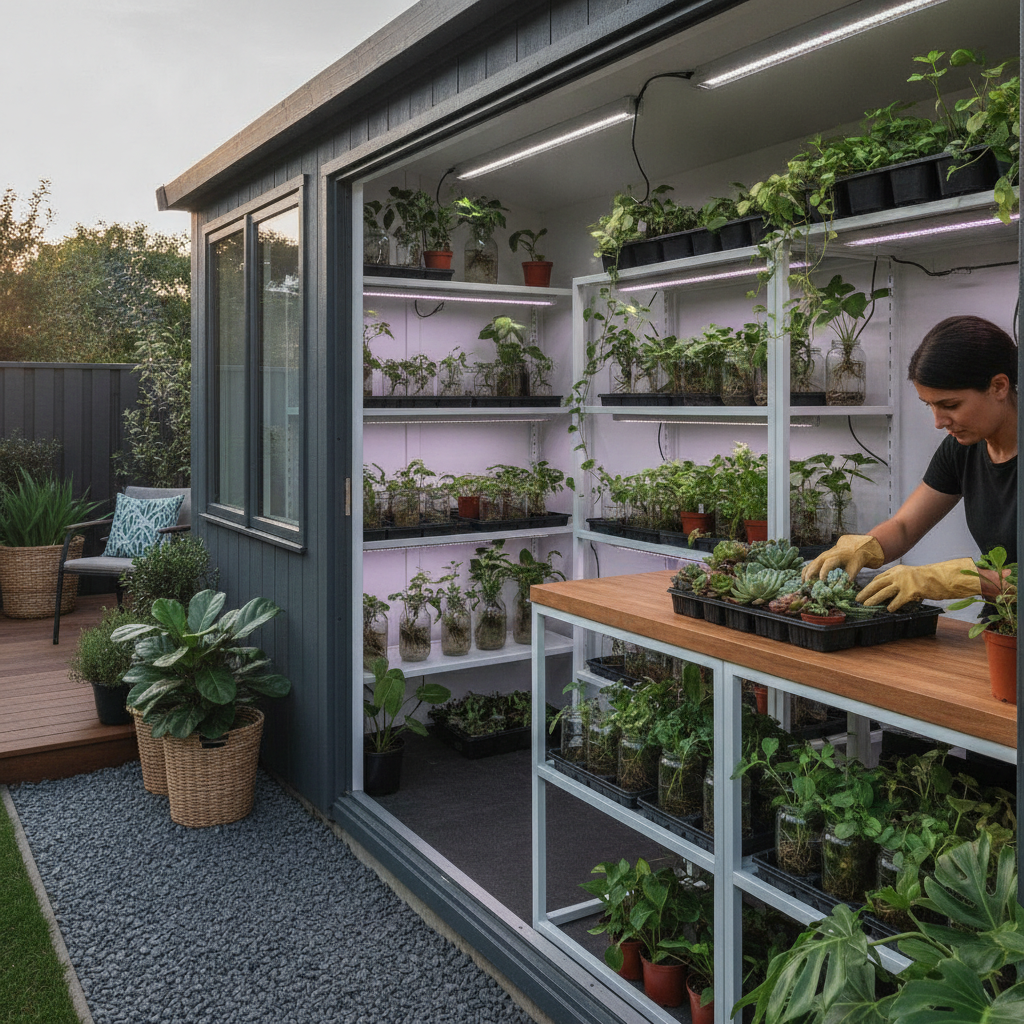
From Storage to Sanctuary: Transforming a Backyard Shed into the Perfect Plant Propagation Studio
From Storage to Sanctuary: Transforming a Backyard Shed into the Perfect Plant Propagation Studio
Every plant enthusiast knows the beautiful but chaotic struggle of a growing collection. You start with a few easy-care trailing vines, and suddenly your living room is a dense jungle of rare monsteras, delicate philodendrons, and exotic anthuriums. If you also craft handmade ceramic planters, your home quickly turns into an obstacle course of potting soil bags, clay dust, and bright grow lights. When your botanical passion completely outgrows your guest bedroom or kitchen counter, it is finally time to look outside for a solution. Turning a standard backyard storage unit into a dedicated, climate-controlled propagation studio is the ultimate dream for any plant collector and ceramic artist. To get started on this exciting backyard transformation, finding the right foundational structure is absolutely crucial, which is why we highly recommend checking out the premium options at Duramax Sheds Online to serve as the perfect blank canvas for your new green sanctuary.
Why a Backyard Shed is the Ultimate Plant Studio
The breaking point for most indoor gardeners happens when the humidity required for rare tropical plants starts conflicting with the comfort of their living space. Rare aroids thrive in environments with humidity levels above seventy percent, which can easily warp indoor hardwood floors and peel wallpaper. By moving your collection into a dedicated backyard shed, you can create a microclimate that perfectly mimics a tropical rainforest without worrying about damaging your home interior. This separation allows you to push the boundaries of your propagation techniques in a safe, controlled environment.
Furthermore, combining plant propagation with ceramic design requires a space that can handle a bit of a mess. Working with raw clay, mixing custom soil blends, and repotting overgrown root systems are inherently dirty tasks. A backyard studio gives you the freedom to spill perlite, splash water, and leave your ceramic tools out without the constant pressure to clean up before dinner. You can finally embrace the messy, creative process of both potting and pottery in a space designed specifically for that purpose.
Ultimately, a dedicated studio provides a mental boundary between your daily life and your creative hobbies. Stepping out of your back door and walking into a lush, green sanctuary offers a profound sense of peace. It becomes more than just a workspace; it transforms into a personal retreat where you can disconnect from screens, sink your hands into the earth, and focus entirely on nurturing your rare cuttings and shaping your handmade planters.
Choosing the Right Foundation for Your Sanctuary
The success of your propagation studio heavily depends on the quality of the structure you choose to build it in. While traditional wooden sheds possess a certain rustic charm, they are often susceptible to rot, mold, and warping when exposed to the constant high humidity required for tropical plants. Metal sheds, on the other hand, can fluctuate wildly in temperature, turning into ovens during the summer and freezers during the winter. For a plant studio, heavy-duty vinyl or specialized composite materials are often the superior choice because they resist moisture, require minimal maintenance, and provide excellent structural integrity.
When selecting your building, sizing up is always the smartest strategy. Plant collections have a magical way of expanding to fill whatever space they are given. A structure that seems massive when empty will quickly fill up once you add potting benches, shelving units for your ceramics, and large mother plants. Consider a layout that allows for distinct zones: a wet zone for watering and mixing clay, a dry zone for storing soil components and ceramic glazes, and a display zone for your finished handmade planters.
Finding a reliable supplier who understands the need for durable, weather-resistant structures is the first major step in this project. If you are looking for a trusted source to provide the perfect building for your backyard oasis, you can easily find the Google Maps listing for Duramax Sheds Online to explore their extensive catalog. Their high-quality structures provide the ideal, moisture-resistant environment needed to house expensive rare plants and delicate ceramic works safely.
Climate Control and Lighting Essentials
Once your structure is in place, the next critical phase is establishing a stable climate. Rare tropical plants are notoriously sensitive to sudden temperature drops and drafts. Insulating the walls and ceiling of your shed is a non-negotiable step if you live in a region with distinct seasons. Foam board insulation or fiberglass batts covered with moisture-resistant drywall will help trap heat during the winter and keep the space cool during the summer. Adding a mini-split air conditioning and heating unit is the most efficient way to maintain the consistent temperatures your rare cuttings desperately need to root successfully.
Humidity and airflow go hand-in-hand when managing a greenhouse environment. While you want high humidity to encourage rapid root growth in your propagation boxes, stagnant moist air is a breeding ground for fungal infections and pests. Installing automated exhaust fans and strategically placing oscillating fans around the studio will keep the air moving, strengthening plant stems and preventing rot. A heavy-duty humidifier connected to a digital controller will ensure your tropicals never experience dry, crispy leaves.
Lighting is the final piece of the environmental puzzle. While adding skylights or large windows is fantastic for natural sunlight, relying solely on the sun is often unpredictable. Supplementing with full-spectrum LED grow lights ensures your rare monsteras maintain their stunning variegation and your seedlings grow compact and strong. Suspending adjustable light fixtures above your shelving units allows you to customize the light intensity for different plant species, giving you complete control over their growth cycles.
Designing the Interior Layout for Propagation
The heart of your new sanctuary will undoubtedly be the central potting and crafting workbench. This surface needs to be highly durable, water-resistant, and easy to wipe down after a long session of repotting or wedging clay. Stainless steel or sealed butcher block makes an excellent work surface. Beneath the bench, you can organize large, airtight bins to store your custom soil amendments like orchid bark, horticultural charcoal, and coco coir, keeping them dry and free from fungus gnats.
Vertical space is your best friend in a propagation studio. Installing sturdy, adjustable wire shelving units allows water to drain freely from your freshly watered pots without pooling and causing root rot. These shelves are perfect for housing rows of clear propagation boxes filled with sphagnum moss and rare node cuttings. On the opposite side of the room, you can install solid wooden floating shelves to proudly display your finished, handmade ceramic planters, creating a beautiful visual contrast against the lush green foliage.
Water access is another vital consideration for your layout. If running plumbing to your backyard structure is too complex or expensive, you can set up a highly effective gravity-fed water system using large rain barrels. Alternatively, a simple utility sink connected to a garden hose provides a dedicated space to wash your ceramic tools, rinse clay off your hands, and bottom-water your delicate plants without ever needing to trudge back into your house.
Bringing Your Ceramic and Plant Studio to Life
With the functional elements in place, the final step is infusing the space with your unique artistic personality. This building is not just a storage unit anymore; it is a creative studio where two beautiful hobbies intersect. You can hang pegboards on the walls to neatly organize your ceramic ribbon tools, pruning shears, and moisture meters. Grouping plants by their color and texture inside your custom-glazed ceramic pots turns the studio into a living art gallery.
To truly make it a sanctuary, add elements of comfort that invite you to linger. A cozy rattan chair tucked into a corner surrounded by trailing hanging plants provides the perfect spot to sit and enjoy a morning cup of coffee while inspecting your new growth. Adding a small waterproof rug, hanging some warm string lights, and bringing in a Bluetooth speaker for relaxing music will elevate the atmosphere from a simple workspace to a magical retreat.
There is an unmatched joy in watching a tiny, rare cutting develop strong roots and eventually potting it into a ceramic vessel you shaped with your own hands. Having a dedicated studio allows you to fully immerse yourself in this rewarding cycle of creation and growth. The sights, smells, and sounds of your personalized backyard greenhouse will quickly become the best part of your daily routine.
Your Plant Propagation Journey Awaits
Transforming a standard backyard structure into a specialized plant propagation and ceramic studio is a deeply rewarding project that will revolutionize how you interact with your hobbies. By moving your collection out of your living room and into a dedicated, climate-controlled environment, you give your rare plants the ideal conditions they need to thrive, while giving yourself the creative freedom to make a mess and craft beautiful things.
Every great studio begins with a solid, dependable foundation. If you are ready to take your plant collection and ceramic artistry to the next level, do not hesitate to explore the fantastic building options available to you. We highly encourage you to visit Duramax Sheds Online to find the perfect weather-resistant structure that will serve as the protective shell for your new backyard sanctuary. Your plants, your art, and your peace of mind will thank you.
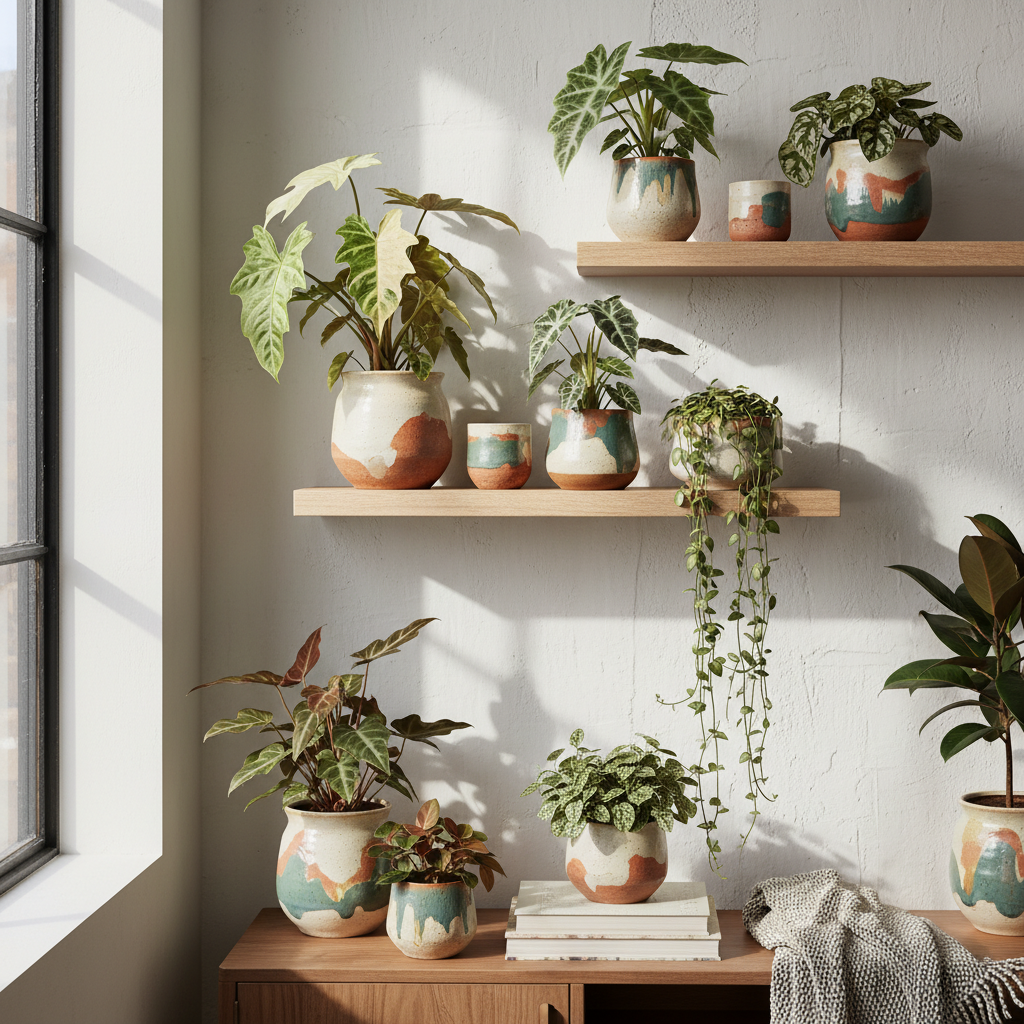
Botanical Living: How to Integrate Rare Plants and Handmade Ceramics into Your Home Makeover
Botanical Living: How to Integrate Rare Plants and Handmade Ceramics into Your Home Makeover
Welcome to the world of botanical living, where the lush beauty of nature meets the grounded elegance of artisanal craftsmanship. If you are planning to breathe new life into your living space, you already know that the right decor can completely change how a room feels. Whether you are simply swapping out your old furniture, refreshing your paint colors, or planning a complete renovation toronto, integrating rare plants and handmade ceramics is a fantastic way to elevate your home makeover. This combination brings a unique, organic warmth that mass-produced items simply cannot replicate. In this guide, our plant and ceramic design studio will walk you through the best ways to blend living art with handcrafted pottery to create a truly stunning, nature-inspired sanctuary.
The Art of Selecting Rare Plants for Your Space
Choosing the right greenery is the very first step in your botanical makeover. Rare plants act as living, breathing sculptures that instantly draw the eye and spark conversation among your guests. Instead of grabbing standard, everyday houseplants, consider unique varieties like the striking Monstera Albo with its stunning white variegation, or the moody Anthurium Clarinervium with its velvety, heart-shaped leaves. These exceptional botanical specimens add a distinct layer of sophistication and exclusivity to your interior design.
However, successfully integrating rare plants requires more than just picking out the prettiest leaves you can find. You must carefully assess the environmental conditions of your home before making a commitment. Take a walk through your rooms and note the natural light levels, humidity, and temperature fluctuations. A bright, sun-drenched living room might be perfect for a rare Ficus variety, while a steamy, lower-light bathroom could be the ideal spot for delicate tropical ferns to thrive.
Furthermore, it is important to consider the mature size of the plants you bring home. A tiny, rare cutting might look adorable on a side table today, but it could easily grow into a massive statement piece that commands an entire corner of the room in just a few years. Planning for this future growth ensures your home makeover remains balanced, cohesive, and beautiful long after the initial setup is complete.
Elevating Your Greenery with Handmade Ceramics
Once you have selected your rare plants, the next crucial step is choosing the perfect vessels to hold them. This is where handmade ceramics truly shine in a home makeover. Unlike plastic nursery pots or mass-produced containers, artisanal planters bring unique texture, distinct character, and a sense of grounding to your botanical display. The organic, slightly imperfect nature of handcrafted pottery perfectly mirrors the wild, untamed beauty of the plants they hold.
When pairing your plants with ceramics, think carefully about contrast and harmony. If you have a plant with highly patterned or brightly colored foliage, a minimalist ceramic pot with a matte, neutral glaze allows the leaves to take center stage without visual competition. Conversely, a simple, solid-green trailing plant can be beautifully elevated by placing it in a heavily textured or vibrantly glazed handmade planter. This thoughtful pairing creates a cohesive look that feels highly intentional and professionally styled.
Beyond simple aesthetics, handmade ceramics offer excellent practical benefits for your rare plants. Many artisanal planters are crafted from breathable clays like terracotta or stoneware, which allow air and moisture to move through the walls, helping to prevent root rot. Additionally, working with a specialized studio means you can find pots with proper drainage holes and matching drip trays, ensuring your valuable plants stay healthy while protecting your newly renovated floors and furniture from water damage.
Designing Plant-Forward Spaces During a Remodel
If you are taking your home makeover to the next level with structural changes, you have a golden opportunity to design a space that actively supports your botanical lifestyle. A true plant-forward home anticipates the needs of your indoor garden from the very beginning of the design phase. This might mean installing larger windows to maximize natural sunlight, adding skylights to brighten up dark hallways, or building custom shelving specifically designed to hold heavy ceramic pots safely.
To pull off these larger structural changes flawlessly, it is absolutely crucial to partner with professionals who understand your vision and respect your property. For instance, working with experts like Toronto Home Renovation Contractors By Red Stone Contracting ensures that your home remodel is executed with precision, safety, and care. They can help you safely open up walls for better light flow or install built-in waterproof planters that seamlessly blend with your home’s interior architecture.
Additionally, consider the practical elements of daily plant care during your renovation planning. Adding a deep utility sink in your mudroom or laundry area makes watering and repotting large plants incredibly convenient and mess-free. You might also want to install specialized, discreet grow lights into your ceiling or under your kitchen cabinets to keep your rare plants thriving during the darker winter months. These thoughtful design choices make botanical living effortless and deeply integrated into your home.
Creating Focal Points with Botanical Groupings
Arranging your rare plants and handmade ceramics is an art form in itself. Rather than scattering individual pots randomly throughout your home, try creating intentional botanical groupings. Clustering plants together not only makes a much stronger visual impact, but it also creates a microclimate of higher humidity that tropical plants absolutely love. This approach turns a simple collection of potted plants into a lush, immersive indoor jungle oasis.
When styling a plant grouping, utilize the classic design rule of three, which suggests that items arranged in odd numbers are more visually appealing and memorable to the human eye. Mix and match different heights, leaf shapes, and ceramic textures to create depth and interest. For example, you could group a tall, structural plant in a floor-standing ceramic pot with a medium-sized bushy plant on a wooden plant stand, finished with a small trailing vine cascading from a shelf above.
Remember to always balance your lush greenery with intentional negative space. While it can be very tempting to fill every empty corner with a new plant, leaving some areas open allows your statement pieces to truly breathe and stand out. Use elegant pedestals, floating wall shelves, and hanging ceramic planters to draw the eye upward and make use of vertical space, ensuring your room feels vibrant and alive without ever becoming cluttered.
Practical Tips for Long-Term Botanical Success
A stunning home makeover is only truly successful if it stands the test of time, and the exact same principle applies to your botanical elements. To keep your rare plants and handmade ceramics looking their absolute best, you must establish a consistent care routine. Rather than sticking to a strict, calendar-based watering schedule, learn to read your plants’ individual needs. Check the moisture level of the soil regularly, as the breathable nature of handmade ceramics might mean your plants dry out a bit faster than they would in standard plastic pots.
Seasonal changes will also significantly impact your indoor garden. As the sun shifts throughout the year, you may need to move your plants to ensure they continue receiving the right amount of light. This seasonal shift is actually a great excuse to refresh your interior styling periodically. Moving a beautiful handcrafted ceramic planter to a new room can instantly change the vibe of the space, keeping your home decor feeling fresh, dynamic, and ever-evolving.
Finally, embrace the ongoing process of repotting as your rare plants grow and mature. Upgrading a beloved plant into a larger, beautifully crafted ceramic vessel is a highly rewarding experience that celebrates its growth and vitality. Keep your planters clean by occasionally wiping down the glazed surfaces with a damp cloth to remove dust, which keeps the colors vibrant and ensures your entire space continues looking polished and well-maintained.
Conclusion: Bringing Your Botanical Vision to Life
Integrating rare plants and handmade ceramics into your home makeover is a deeply rewarding way to create a space that feels alive, grounded, and uniquely yours. By carefully selecting unique foliage, pairing it with stunning artisanal pottery, and designing your physical space to support botanical life, you can transform any ordinary house into a tranquil, nature-inspired sanctuary. The beautiful synergy between organic, living growth and dedicated human craftsmanship brings an unparalleled warmth and character to your interior design.
As you plan your next big home project, remember that the very best results come from combining beautiful decor with expert craftsmanship. Whether you are knocking down walls to let in more natural light or building custom displays for your growing ceramic collection, professional help makes all the difference in the world. We highly recommend reaching out to Toronto Home Renovation Contractors By Red Stone Contracting to help bring your ultimate botanical home vision to life with expert precision, reliability, and care.

Design Without Borders: Finding Global Artistic Inspiration from Your Local Studio
Design Without Borders: Finding Global Artistic Inspiration from Your Local Studio
In the modern creative world, the walls of a small studio no longer define the limits of our imagination. As artists working with earth and flora, we are constantly searching for ways to bridge the gap between our local environment and the vast, diverse beauty of the world outside. For many of us, staying connected to global culture and design trends is essential, whether that means browsing international galleries or finding comfort in familiar media like svt play utomlands to draw inspiration from Swedish minimalism and Scandinavian nature documentaries while living elsewhere. This digital window allows us to infuse our handmade planters and rare plant collections with a sense of wanderlust, proving that true artistic inspiration knows no geographical boundaries. By looking beyond our immediate surroundings, we can create pieces that resonate with a global audience while maintaining the intimate touch of a local craft.
The concept of design without borders is especially relevant today as we seek to create spaces that feel both personal and worldly. For a studio specializing in rare plants and ceramics, this means looking at how different cultures interact with nature. It involves studying the way light hits a leaf in a tropical rainforest or how a potter in a remote village uses local minerals to create a unique glaze. When we bring these international perspectives into our workspace, we are not just making products; we are telling stories that span continents. This approach enriches our creative process and helps us produce work that feels timeless and sophisticated.
The Digital Window: Accessing the World from Your Desk
The internet has fundamentally changed how we gather visual information. In the past, an artist might have needed to travel for months to see the intricate patterns of Moroccan tile or the stark beauty of Japanese rock gardens. Today, we have high-definition access to the world’s most beautiful landscapes and art collections at our fingertips. Social media platforms, digital museum archives, and international streaming services provide a constant stream of visual stimuli. For a ceramicist, this might mean watching a video of a traditional Korean moon jar being thrown, or for a botanist, it might mean studying the native habitat of a rare Monstera species through a virtual tour of a botanical garden in South America.
Furthermore, these digital tools allow us to observe how design trends evolve in real-time across different time zones. We can see how a minimalist aesthetic is being interpreted in Stockholm versus how a maximalist, jungle-inspired vibe is taking over interiors in Brazil. By absorbing these diverse influences, we can synthesize them into something entirely new. This cross-pollination of ideas is what keeps the world of plant and ceramic design exciting and fresh. It prevents our work from becoming stagnant and encourages us to experiment with forms and textures we might never have considered otherwise.
In addition to visual inspiration, the digital age offers a wealth of technical knowledge. We can learn about ancient firing techniques or innovative plant care methods from experts on the other side of the planet. This shared global knowledge base empowers us to improve our craft and push the boundaries of what is possible in a small studio setting. When we combine traditional local techniques with global innovations, we create a unique artistic voice that is both grounded and expansive.
Cultural Fusion in Ceramic Art
Ceramics is one of the oldest art forms in human history, and every culture has developed its own unique relationship with clay. When we design planters in our studio, we often look to these diverse traditions for inspiration. For instance, the Japanese philosophy of Wabi-sabi, which finds beauty in imperfection and transience, is a major influence on our handmade pots. By embracing the natural irregularities of the clay and the unpredictable nature of the kiln, we create pieces that feel organic and alive. This international philosophy helps us appreciate the “happy accidents” that occur during the making process, resulting in planters that have a soul and a story.
On the other hand, we might draw from the vibrant colors and bold geometric patterns found in Mediterranean or Mexican pottery. These traditions celebrate the warmth of the sun and the richness of the earth. By incorporating warm terracotta tones and hand-painted motifs, we can bring a sense of distant shores to a local living room. This fusion of styles—perhaps a Wabi-sabi shape with a Mediterranean-inspired glaze—creates a sophisticated look that fits perfectly into modern, eclectic homes. It allows the customer to feel a connection to the wider world every time they look at their favorite plant.
The Importance of Texture and Material
Texture plays a vital role in how we perceive global design. A smooth, matte finish might evoke the cool, calm atmosphere of a Nordic winter, while a rough, sandy texture might remind us of the vast deserts of the Middle East. In our studio, we experiment with adding different types of sand, grog, and minerals to our clay bodies to mimic these global landscapes. This tactile experience is a key part of “Design Without Borders,” as it allows the user to feel a connection to a specific part of the world through touch. When a planter feels like a piece of weathered stone from a distant mountain range, it adds a layer of depth to the indoor gardening experience.
Moreover, the choice of glaze can further enhance this global feel. We often develop our own glazes that are inspired by natural phenomena, such as the deep blues of the deep ocean or the iridescent greens of a beetle’s wing. By studying the chemistry of minerals from around the world, we can recreate these colors in our kiln. This scientific approach to art allows us to bring the palette of the entire planet into our local studio, ensuring that every piece we create is a tribute to the earth’s natural beauty.
Rare Plants as Living Souvenirs
Plants are perhaps the ultimate symbols of a world without borders. Many of the species we grow and sell in our studio have traveled thousands of miles from their native habitats. A rare Anthurium from the misty cloud forests of Ecuador or a sculptural succulent from the arid plains of Madagascar brings a piece of that environment into our homes. As designers, we see these plants as living sculptures that dictate the form and function of the planters we create. The relationship between the plant and its pot is a dialogue between biology and art.
When we work with rare plants, we must understand their origin to help them thrive. This research often leads us down a rabbit hole of geographical and botanical discovery. We learn about the specific soil compositions, humidity levels, and light patterns of distant lands. This knowledge not only helps us provide better care instructions for our customers but also inspires the design of our ceramic vessels. For example, a plant that grows on the sides of cliffs might look best in a tall, slender pot that mimics its natural verticality. By designing with the plant’s heritage in mind, we create a more authentic and harmonious display.
Additionally, the rarity of certain plants adds an element of exclusivity and wonder to our collection. These botanical treasures serve as conversation starters, allowing us to share stories about biodiversity and conservation with our community. When a customer takes home a rare specimen, they aren’t just buying a plant; they are becoming a steward of a piece of global natural history. This connection to the wider world fosters a sense of responsibility and appreciation for the planet’s incredible variety of life.
The Color Palette of Global Landscapes
Color is one of the most powerful tools in a designer’s arsenal, and the global landscape offers an infinite palette to choose from. When we are stuck in a creative rut, we often look to the colors of different regions to spark new ideas. The muted greys and greens of the Scottish Highlands can inspire a collection of minimalist, atmospheric planters. Conversely, the vivid pinks and oranges of a sunset over the Sahara can lead to a series of bold, high-contrast glazes. By stepping outside our local color norms, we can create work that stands out and captures the imagination.
Using color to evoke a sense of place is a subtle but effective way to implement global design. It allows us to create moods within a space. A collection of deep forest green planters can turn a corner of a room into a lush, tropical sanctuary, while a set of dusty, sun-baked clay pots can create a warm, desert-like atmosphere. This ability to transport the viewer to another place through color is a hallmark of thoughtful, globally-inspired design. It shows that we are paying attention to the world around us and translating those observations into our work.
Furthermore, we consider how colors interact with the plants themselves. The silver-blue foliage of a Eucalyptus plant might be enhanced by a dark charcoal pot, while the bright neon green of a Philodendron might pop against a crisp white glaze. By looking at how colors occur in nature across the globe, we can make more informed decisions about our own color combinations. This results in a more cohesive and visually stunning product line that appeals to a wide range of tastes and interior styles.
Curating a Global Mood Board in Your Studio
Creating a space that fosters global inspiration requires intentionality. In our studio, we maintain a physical and digital mood board that is constantly evolving. This board is a collage of textures, colors, and images from all over the world. We might have a photo of a mossy stone from a Japanese temple next to a fabric swatch from a West African market. These seemingly unrelated items often spark the most creative ideas when viewed together. It encourages us to find the common threads that connect different cultures and environments.
We also find inspiration in the objects we surround ourselves with. Collecting small mementos from our travels—or even from local antique shops that carry international items—can provide a constant source of creative energy. A hand-carved wooden tool or a piece of sea glass from a distant beach can serve as a reminder of the vastness of the world. These objects ground us while also reminding us to keep our eyes open to new possibilities. They act as anchors for our creativity, helping us stay focused on our mission to bring global beauty into the local home.
Finally, we make it a point to engage with other artists and designers from different backgrounds. Whether through online forums, local workshops, or international collaborations, these interactions challenge our assumptions and broaden our horizons. Hearing how someone else approaches a similar creative problem can be incredibly enlightening. It reminds us that while our studios may be local, our community is global. By sharing ideas and supporting one another, we contribute to a vibrant, borderless world of art and design.
Conclusion
Design without borders is more than just a trend; it is a mindset that celebrates the interconnectedness of our world. By seeking inspiration from global cultures, landscapes, and digital media, we can elevate our local craft to something truly extraordinary. For our plant and ceramic studio, this journey of discovery is what keeps us passionate about what we do. It allows us to create handmade planters and curate rare plant collections that are not only beautiful but also deeply meaningful. When we look beyond our own borders, we find a world of endless artistic possibilities waiting to be explored.
Ultimately, the goal of our work is to bring a piece of that global magic into your daily life. Whether it is through the earthy texture of a hand-thrown pot or the exotic beauty of a rare tropical leaf, we hope our designs inspire you to look at the world with fresh eyes. In a world that can sometimes feel divided, art and nature have the power to bring us together, reminding us that we all share the same beautiful planet. By embracing global inspiration from our local studio, we are proud to contribute to a more beautiful, diverse, and connected world, one plant and one planter at a time.
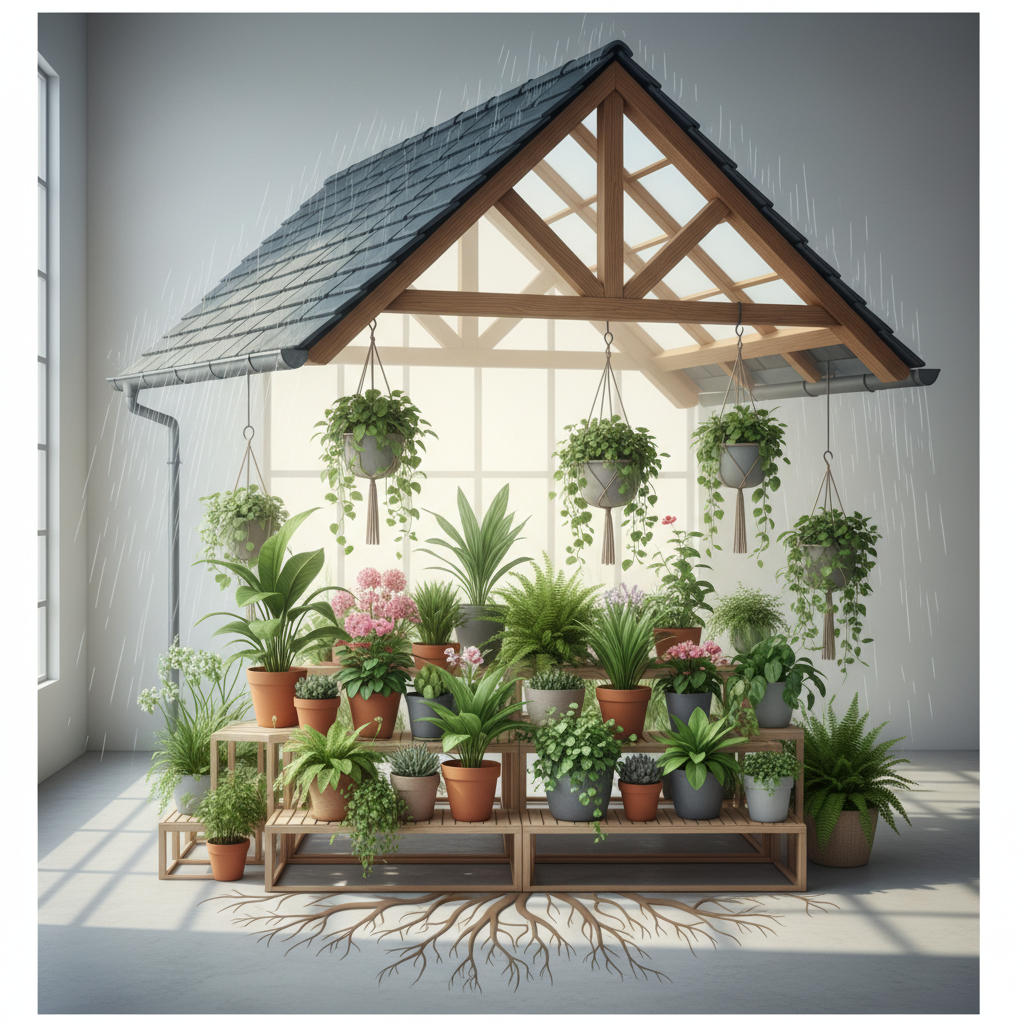
Studio Essentials: Why a Secure Roof is the Foundation of a Thriving Indoor Garden
Studio Essentials: Why a Secure Roof is the Foundation of a Thriving Indoor Garden
Walking into a sun-drenched studio filled with the lush greenery of rare Monsteras and the earthy scent of fresh clay is a dream for many creators and plant enthusiasts. However, that dream can quickly turn into a nightmare if the building protecting your collection isn’t structurally sound. When we think about studio essentials, we often focus on high-end grow lights, expensive potting mixes, or professional-grade pottery wheels, but the most critical component is actually right above your head. Ensuring your creative space is protected by a reliable team like Platinum Roofing & Construction is the first step in building a sustainable, thriving indoor sanctuary that lasts for years to come.
For those of us who specialize in rare plants and handmade ceramic design, the environment is everything. A single leak or a structural weakness in the roof can compromise the delicate microclimate we work so hard to maintain. Indoor gardening is an art form that requires precision, and that precision starts with a secure, weather-tight envelope. If you are investing hundreds or even thousands of dollars into rare botanical specimens, you owe it to your collection to ensure the roof over their heads is as resilient as the plants themselves.
In this guide, we will explore why roofing is the unsung hero of the indoor garden and ceramic studio. From regulating temperature and humidity to protecting your artistic investments, a high-quality roof is the ultimate foundation for any thriving indoor ecosystem. Let’s dive into why your overhead protection should be your top priority this season.
Creating and Maintaining the Perfect Microclimate
Rare plants, especially tropical varieties like Variegated Alocasia or Philodendron Spiritus Sancti, are incredibly sensitive to their surroundings. They require specific humidity levels and consistent temperatures to push out those stunning, oversized leaves we all love. A roof that is aging or poorly insulated acts as a thermal bridge, allowing heat to escape in the winter and seep in during the summer. This creates wild temperature swings that can stress your plants, leading to leaf drop or stunted growth. When your roof is in peak condition, it acts as a thermal barrier, making it much easier for your HVAC system or humidifiers to keep the air exactly where it needs to be.
Beyond temperature, moisture control is a major factor in plant health. A roof with minor leaks might not seem like a big deal at first, but even a small amount of intruding rainwater can drastically alter the humidity in a localized area. This can lead to fungal outbreaks or root rot, especially in a studio where plants are grouped closely together. By maintaining a secure roof, you are essentially sealing your “grow box” from the unpredictable elements outside, giving you total control over the life-giving air your plants breathe every day.
Furthermore, the materials used in your roofing system can impact the overall health of your studio. Modern roofing solutions offer better ventilation options that allow for proper air exchange. Stagnant air is the enemy of a thriving indoor garden, as it encourages pests like spider mites and mealybugs. A well-designed roof works in tandem with your studio’s ventilation to ensure that fresh air circulates properly, keeping your rare foliage vibrant and pest-free.
Protecting Your Artistic and Botanical Investments
If you are a ceramicist or a collector of rare plants, your studio is likely filled with significant financial and emotional investments. Handmade planters take dozens of hours to throw, dry, fire, and glaze. Rare plants take years to mature and propagate. A single heavy rainstorm paired with a compromised roof can cause catastrophic damage in minutes. Water dripping onto a shelf of bone-dry greenware can cause pieces to collapse or crack, ruining weeks of hard work before they even reach the kiln. For a professional artist, this isn’t just a nuisance; it is a loss of income.
The same logic applies to your botanical collection. Many rare plants are susceptible to “edema” or leaf spotting if they are hit with cold, unfiltered rainwater from a ceiling leak. Moreover, if water gets into your electrical systems—which are often extensive in studios using grow lights and fans—you risk a fire or a total power failure. Protecting your equipment, your art, and your plants requires a proactive approach to home and studio maintenance. It is much more cost-effective to invest in a roof inspection than it is to replace a collection of rare Aroids or a damaged electric kiln.
Think of your roof as an insurance policy for your creativity. When you know the structure is sound, you can fill your space with the things you love without the constant fear of the next big storm. A sturdy roof provides the peace of mind necessary to focus on your craft, whether that is painting delicate glazes onto a new ceramic series or carefully acclimating a new shipment of rare cuttings from overseas.
The Hidden Dangers of Moisture and Mold
One of the most insidious threats to an indoor garden and ceramic studio is mold. In an environment that is already naturally humid due to plant transpiration and clay work, any additional moisture from a roof leak can trigger a mold explosion. Mold doesn’t just damage the walls and ceiling of your studio; it can settle on your plants, causing powdery mildew or botrytis. Even worse, mold spores in a confined creative space can lead to respiratory issues for the artist, making the studio an unsafe place to work.
If you notice any signs of water damage, such as yellowing ceiling tiles, a musty odor, or peeling paint, it is vital to contact a professional immediately. For those living in the Florida area, where humidity and heavy rains are a daily reality, having a local expert you can trust is essential. You can find highly-rated professionals by checking out Platinum Roofing & Construction. Their team understands the unique challenges that coastal weather poses to local structures and can help you identify hidden leaks before they become a full-blown mold crisis.
Early detection is the key to saving your studio. A professional roofer can use thermal imaging or moisture meters to find where water is entering the building, often in places that aren’t visible to the naked eye. By addressing these issues early, you protect the structural integrity of your studio and ensure that your air quality remains high for both you and your plants. Never underestimate the damage a “small” leak can do when left unchecked in a humid environment.
Structural Integrity and the Weight of a Garden
Indoor gardens are surprisingly heavy. When you factor in the weight of large ceramic pots, gallons of water, and the plants themselves, your studio floor and walls are under a lot of stress. However, many plant lovers also utilize vertical space by hanging heavy planters from the ceiling or roof joists. If your roof structure has been weakened by rot or water damage, it may not be able to safely support the weight of your hanging garden. A secure roof isn’t just about keeping water out; it’s about the structural strength of the entire building.
When a roof leaks, the water often travels along the rafters, soaking the wood and causing it to soften over time. This structural decay can happen silently behind your drywall. If you are hanging heavy, handmade ceramic pots filled with wet soil from these rafters, you are putting a significant amount of strain on a compromised system. A professional roofing contractor can ensure that your decking and rafters are in good condition, giving you the confidence to hang your favorite trailing plants like Hoya or Pothos without worry.
Additionally, if you are considering installing skylights to boost the natural light for your plants, the integrity of your roof is paramount. Skylights are fantastic for indoor gardens, but they require a perfect seal and a strong surrounding structure to prevent leaks. Consulting with a construction expert ensures that any modifications you make to bring in more light won’t compromise the safety of your studio. A strong roof allows you to expand your garden vertically and creatively, making the most of every square inch of your space.
Energy Efficiency for the Modern Plant Parent
Sustainability is a core value for many of us in the plant and ceramic community. We strive to use eco-friendly soils, recycle our clay, and minimize our carbon footprint. An old, inefficient roof can lead to massive energy waste as your heating and cooling systems struggle to fight against the outside temperature. By upgrading to modern roofing materials with high reflectivity and superior insulation, you can significantly reduce your studio’s energy consumption. This not only helps the planet but also lowers your monthly utility bills, leaving more room in the budget for that rare plant you’ve been eyeing.
For example, “cool roofing” materials are designed to reflect more sunlight and absorb less heat than standard shingles. In a sunny climate, this can keep your studio several degrees cooler during the peak of the day. For your plants, this means fewer instances of heat stress and less frequent watering. For your ceramics, it means a more stable drying environment, which reduces the risk of warping in your clay pieces. Energy efficiency and environmental stability go hand-in-hand when it comes to high-level indoor gardening.
Furthermore, a well-insulated roof helps maintain the “dew point” within your studio. When warm, moist air from your plants hits a cold, poorly insulated ceiling, condensation forms. This condensation can drip back down onto your plants and furniture, creating a mess and encouraging rot. Proper insulation provided by a professional roofing job ensures that your ceiling stays at a consistent temperature, preventing condensation and keeping your studio dry and comfortable year-round.
Conclusion: Build Your Sanctuary on a Solid Foundation
Creating a thriving indoor garden and a productive ceramic studio is a journey of passion and patience. We spend so much time focusing on the details of soil pH, glaze chemistry, and light cycles that it is easy to forget the bigger picture. Your studio is an ecosystem, and like any ecosystem, it needs a strong, protective shell to survive. A secure roof is not just a home improvement project; it is an essential piece of equipment for any serious indoor gardener or artist.
If you want to ensure your studio remains a safe haven for your rare plants and handmade creations, don’t wait for a storm to tell you there’s a problem. Take the time to inspect your roof and invest in professional repairs when necessary. We highly recommend reaching out to the experts at Platinum Roofing & Construction for a comprehensive evaluation of your space. Their commitment to quality and local expertise makes them the perfect partner for protecting your creative sanctuary. By securing the foundation of your studio today, you are ensuring a lush, green, and inspired tomorrow.